

Research
Research is a central pillar of TU Eisenfeld, linking methodological foundations with applied questions arising from industry and society.
Research areas
Research areas structure the university's institutes, centres and doctoral work.
- 01Artificial Intelligence
- 02Robotics
- 03Autonomous Systems
- 04Computer Vision
- 05Cybersecurity
- 06Data Science
- 07Human-Machine Interaction
- 08Industrial Automation
- 09Sustainable Engineering
- 10Digital Society
- 11Educational Technology
- 12Digital Transformation
Structure
Institutes, centres, projects, publications, doctoral research and industry collaboration are maintained as distinct areas. Project and partner details: Erasmus+ partner universities in Delft, Turin, Lund and Prague, the joint project “Autonomous Systems for Industry 5.0”.
Research centres and institutes
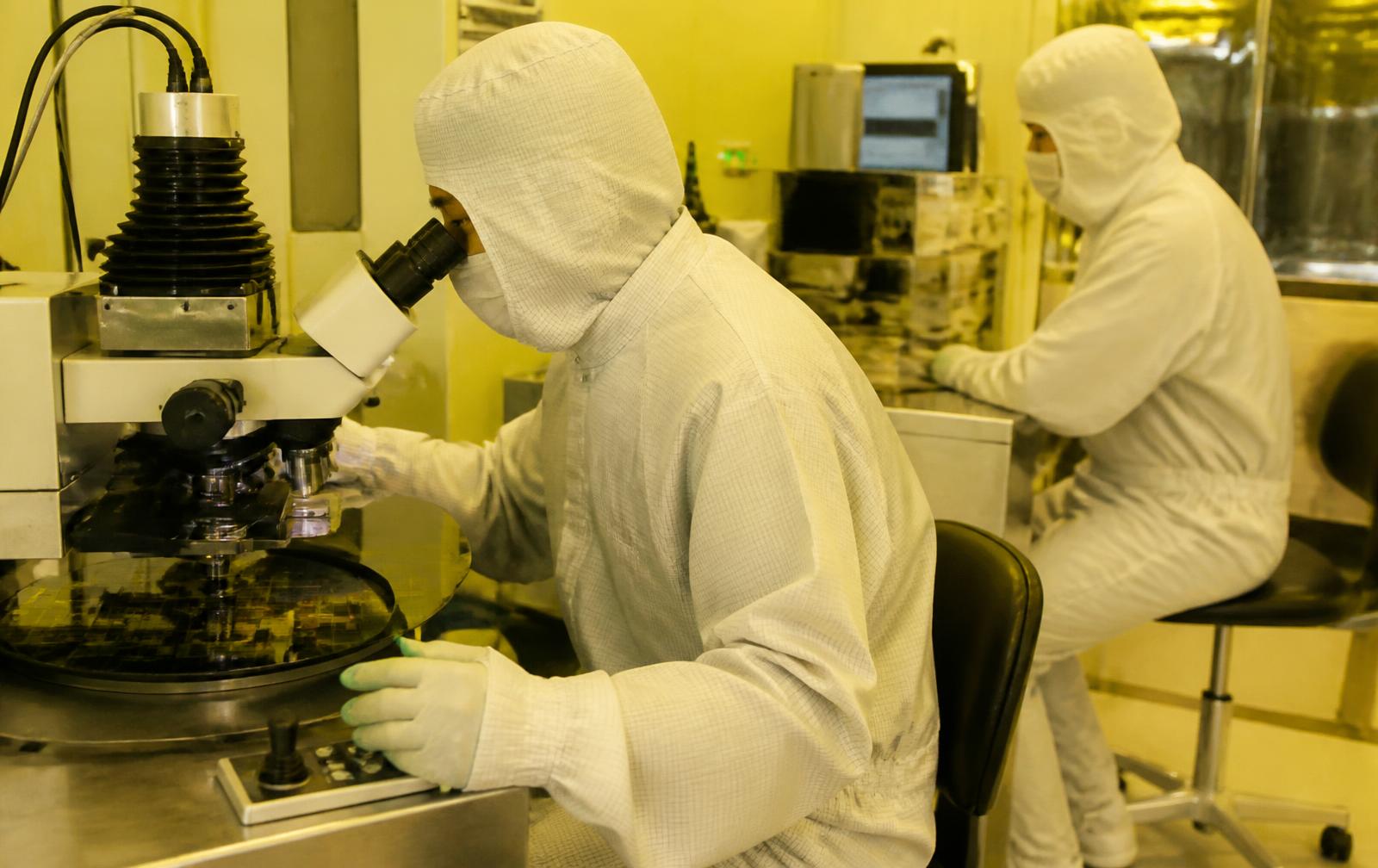
Interdisciplinary centres pool the schools' expertise into shared research agendas. Each centre has a scientific advisory board, publishes an annual report and is open to cooperation partners.
- 01Centre for Autonomous Systems and Robotics (ZASR)
- 02Institute for Applied Artificial Intelligence (IAKI)
- 03Human-Robot Collaboration Laboratory
- 04Centre for Cybersecurity and Trustworthy Systems
- 05Institute for Sustainable Production Engineering
Doctoral training and early-career researchers
The graduate school supports doctoral candidates with a structured programme from the supervision agreement to the defence. The doctoral regulations are published in the Official Gazette; online candidates are integrated through research stays on campus.
- 01Structured graduate-school curriculum
- 02Supervision agreement and annual progress reviews
- 03Training in methodology, academic writing and ethics
- 04International research stays and conference funding
- 05Doctoral regulations in the Official Gazette
Research funding and grants
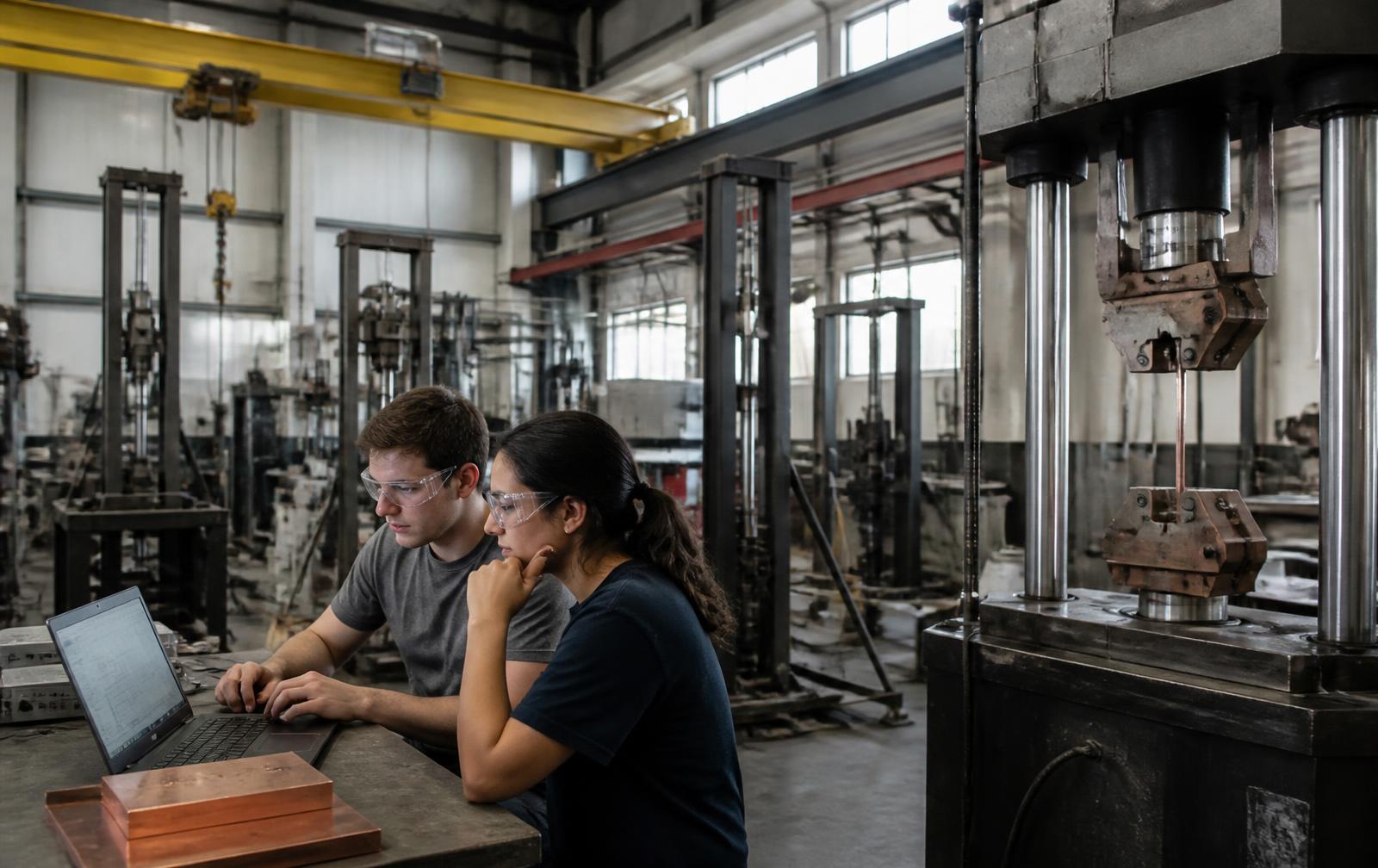
The research support office advises from project idea to submission and administers awarded funds. It supports national and European programmes as well as contract research with industry.
- 01DFG individual and collaborative projects
- 02BMBF programmes and Saxony-Anhalt state funding
- 03EU Horizon Europe and Erasmus+
- 04Contract research and feasibility studies
- 05Advice on budgets, ethics and reporting
Open science and research data
Publications appear open access first in the institutional repository. Research data is managed according to the FAIR principles; the university library advises on data management plans and secondary publication.
- 01University open-access repository
- 02Research data management under FAIR principles
- 03ORCID for all researchers
- 04GDPR-compliant data handling
- 05Guidance from the university library
Research integrity
TU Eisenfeld implements the DFG code “Guidelines for Safeguarding Good Research Practice” by statute. An independent ombudsperson is available confidentially in cases of conflict or suspected misconduct.
- 01Statute on good research practice (DFG code)
- 02Independent ombudsperson
- 03Confidential procedure for suspected cases
- 04Mandatory training for doctoral candidates
- 05Authorship and data guidelines